

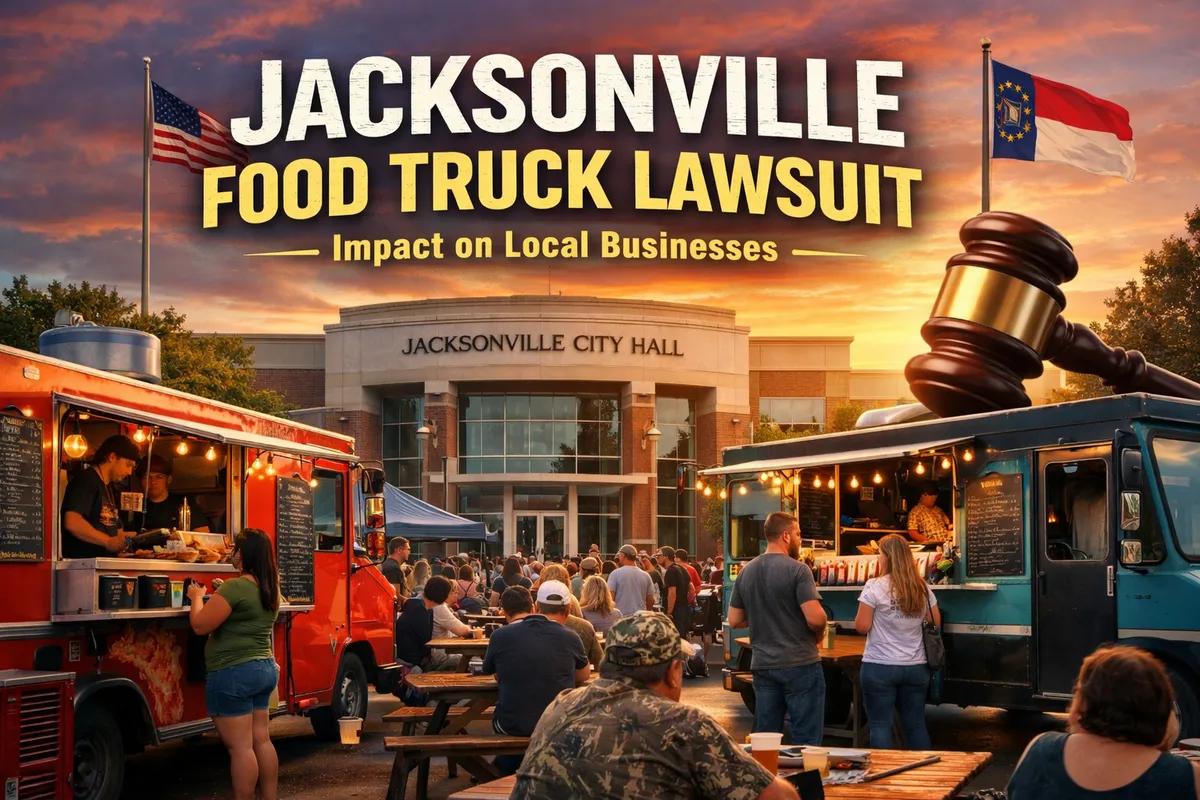
City of Jacksonville Ordered to Pay in Food Truck Lawsuit: What It Means for Local Businesses
A recent court ruling involving Jacksonville, North Carolina, has put a spotlight on how local governments regulate small businesses, especially food trucks, and what happens when those regulations cross the line.
According to reporting from WITN, a judge has ruled that the City of Jacksonville must pay damages in a lawsuit brought by a food truck owner who challenged the city’s restrictions.
The Case at a Glance
The lawsuit centered around local ordinances that limited where and how food trucks could operate. These rules were seen by the plaintiff as overly restrictive and harmful to business operations.
The court ultimately agreed.
A judge ruled that Jacksonville’s regulations violated the rights of the food truck owner, ordering the city to pay damages. While the exact financial impact may vary depending on final calculations and potential appeals, the ruling itself sends a clear message: local governments must be careful not to impose regulations that unfairly limit competition or economic opportunity.
Why This Matters for Onslow County
This is not just a one-off legal story. It has broader implications for entrepreneurs across Onslow County.
Food trucks, pop-ups, and mobile vendors are a growing part of the local economy. They offer:
- Lower barriers to entry compared to brick-and-mortar restaurants
- More flexibility in location and hours
- Opportunities for new entrepreneurs to test concepts before scaling
When regulations become too restrictive, they do not just impact one business. They affect the entire ecosystem of local commerce.
This ruling could open the door for:
- More flexible food truck operations
- Increased competition in the dining scene
- New opportunities for small business owners
The Bigger Picture: Regulation vs. Opportunity
Cities often justify restrictions on food trucks as a way to protect public safety, manage traffic, or support existing brick-and-mortar businesses.
But courts are increasingly scrutinizing regulations that appear to:
- Favor established businesses over new entrants
- Limit where vendors can operate without clear justification
- Create unnecessary barriers to entrepreneurship
This case reinforces a growing trend: economic protectionism does not hold up well in court.
What Local Business Owners Should Take Away
If you are a business owner or thinking about becoming one, this ruling is worth paying attention to.
Here is what it signals:
1. You Have Rights as a Business Owner
Local regulations must be reasonable and legally defensible. If they are not, they can be challenged.
2. The Playing Field May Be Shifting
This decision could lead to changes in how Jacksonville, and potentially other nearby municipalities, approach mobile food vendors.
3. Opportunity Is Expanding
If restrictions loosen, we could see a surge in:
- Food trucks
- Specialty vendors
- Event-based dining experiences
That is good for consumers and for entrepreneurs looking to enter the market.
What Happens Next?
The city may choose to:
- Appeal the ruling
- Revise its ordinances
- Settle and update policies moving forward
Either way, changes are likely coming.
For residents and visitors, that could mean more variety, more creativity, and more local flavor across Jacksonville and the surrounding areas.
Final Thoughts
This ruling is more than a legal decision. It is a signal.
Jacksonville is at a crossroads between regulation and growth. How the city responds could shape the future of its small business landscape for years to come.
For platforms like Discover Onslow, it reinforces the mission: highlight and support local businesses, especially the ones pushing boundaries and creating new opportunities in the community.