

The Hurricanes That Shaped Onslow County
Living on the Hurricane Coast
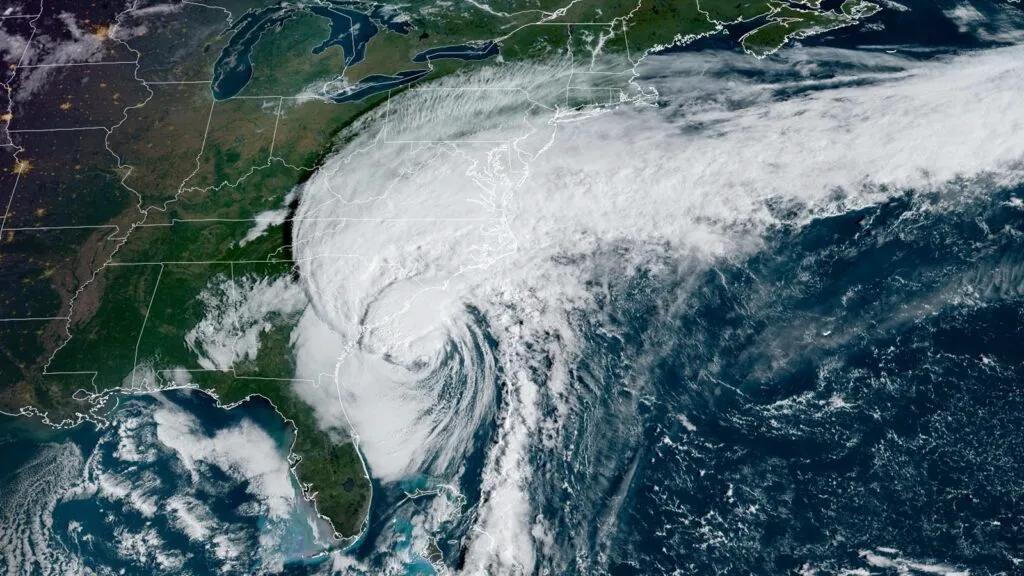
Onslow County sits squarely in the hurricane belt of the Atlantic coast. Since the county was first settled in the 1730s, tropical storms and hurricanes have been a recurring fact of life — destroying buildings, reshaping barrier islands, flooding rivers, and testing the resolve of the people who live here.
Hurricane Hazel (1954)
Hurricane Hazel made landfall near the North Carolina–South Carolina border on October 15, 1954, as a Category 4 storm. While the eye passed to the southwest of Onslow County, the storm brought devastating winds and a massive storm surge to the area. Topsail Island was heavily damaged, with many of the modest beach cottages built in the post-war development boom simply washed away. The storm killed 19 people in North Carolina and caused over $136 million in damage statewide — an enormous sum for 1954.
Hurricane Diana (1984)
Diana was unusual — it stalled off the coast near Cape Fear for nearly two days, battering the southern coast with sustained winds and torrential rain. Onslow County experienced significant flooding as the New River overflowed its banks. The storm demonstrated a lesson that the county would learn repeatedly: in coastal areas, flooding often does more damage than wind.
Hurricanes Bertha and Fran (1996)
The summer of 1996 was brutal for Onslow County. Hurricane Bertha struck in July as a Category 2 storm, causing significant damage to Topsail Island and flooding in Jacksonville. Before the county could fully recover, Hurricane Fran made landfall in September as a Category 3 — one of the most powerful storms to hit the North Carolina coast in decades. Fran's storm surge devastated Topsail Island, destroying hundreds of homes and fundamentally changing the island's geography. Surf City was cut in two when the ocean overwashed the island, temporarily creating a new inlet.
Hurricane Floyd (1999)
Floyd was a catastrophic flooding event. The storm dropped over 15 inches of rain on areas that were already saturated from Hurricane Dennis two weeks earlier. The New River reached record flood levels, inundating large areas of Jacksonville. Camp Lejeune suffered extensive flood damage. Across eastern North Carolina, Floyd caused 35 deaths and billions in damage, making it one of the worst natural disasters in state history.
Hurricane Florence (2018)
Florence stalled near the coast after making landfall at Wrightsville Beach, dumping historic amounts of rainfall on the region over three days. Camp Lejeune received over 24 inches of rain. The New River flooded to levels not seen since Floyd. Base housing at Camp Lejeune was severely damaged, and thousands of military families were displaced. The storm caused over $22 billion in damage across the Carolinas.
Building Resilience
Each hurricane has left its mark — and each has taught lessons. Building codes have been strengthened. Flood zones have been remapped. Emergency response has improved. The people of Onslow County have learned to prepare, to evacuate when told, and to come together for recovery. It is a resilience born of necessity — because on this coast, the next storm is always coming.